On this page (8)
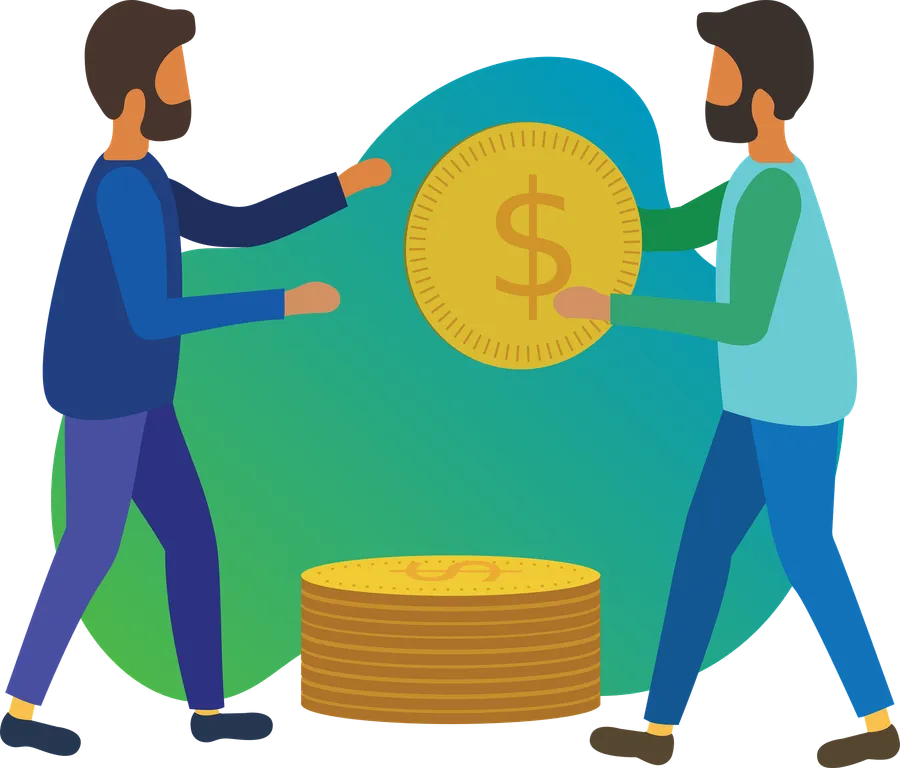
In Kenya, “buying crypto” almost always means a P2P tradingPeer-to-peer: you buy crypto directly from another person and pay them via M-Pesa or bank; the platform only holds the coins in escrow. Glossary trade: you pay another person by M-Pesa, and an exchange holds their coins until your money lands. It is the same idea as the old LocalBitcoins, now running inside big exchange apps. It works well because of one feature — P2P escrowThe platform locks the seller's coins while you pay. Coins are released only when the seller confirms your M-Pesa payment arrived. Glossary — and it fails when people step outside it.
What P2P means and why Kenyans use it
A P2P network connects people directly instead of routing everything through one company’s bank account. In crypto it means a marketplace where individuals and professional traders — called Verified merchantA P2P trader who passed extra checks and posts many ads. Usually faster and safer than a brand-new account, but still not risk-free. Glossary — post ads to buy or sell coins for local money.
Kenyans use it for a practical reason: no major exchange takes M-Pesa directly, and few local banks want card payments to crypto sites. P2P solves that because the M-Pesa transfer is just one Kenyan paying another. It also runs both ways, so freelancers paid in USDT and families receiving RemittanceMoney sent home by family working abroad. Kenya receives billions of dollars a year this way. Glossary use the same market to get shillings.
The keyword people still search — “local bitcoin Kenya” — comes from LocalBitcoins, the Finnish site that pioneered P2P trading. It is gone, and so is its biggest African successor, Paxful.
- 9 Feb 2023LocalBitcoins announces closureNew sign-ups stopped immediately; trading was suspended on 16 February 2023 and users were given 12 months to withdraw.
- 1 Oct 2025Paxful announces wind-downPaxful said it would wind down operations by 1 November 2025, citing past misconduct by former co-founders and compliance costs.
- 1 Jan 2026Yellow Card retail app shutsThe app became inaccessible as Yellow Card moved to business clients only.
We compare what replaced them in our Paxful and LocalBitcoins alternatives guide.
How escrow protects (and does not protect) you
Escrow is the platform locking the seller’s crypto the moment an order opens. The seller cannot withdraw it or sell it to someone else. It is released to the buyer only when the seller taps release — or when support decides an Appeal (dispute)Asking the P2P platform's support team to step in when a trade goes wrong. They review chat, receipts and M-Pesa messages. Glossary in the buyer’s favour.
That design is lopsided, and it helps to know which side you are on.
| Buyer of crypto | Seller of crypto | |
|---|---|---|
| What escrow guarantees | The coins exist and are locked for you | Coins move only when you release |
| Main risk | Paying outside the order, or to the wrong number | Releasing on a fake SMS or a payment later reversed |
| Your proof in a dispute | M-Pesa confirmation and statement | Your M-Pesa statement showing nothing arrived |
| Biggest mistake | Cancelling an order after paying | Trusting a screenshot instead of your balance |
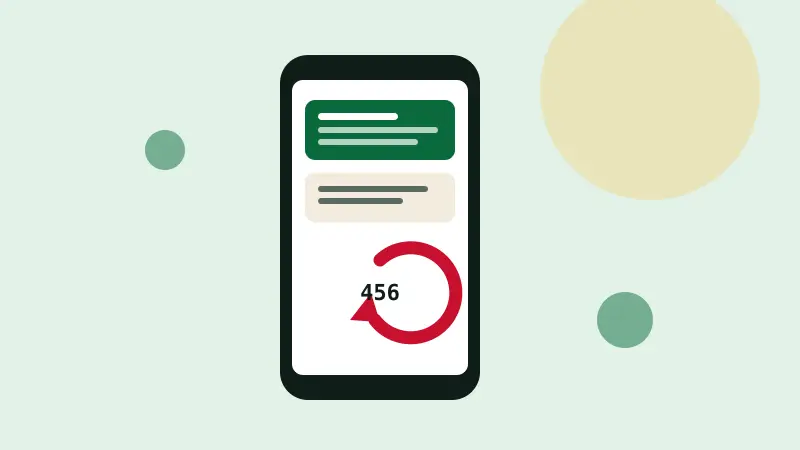
The asymmetry comes from M-Pesa, not from the exchange. Once crypto is released it cannot be pulled back, but a Send Money transfer can be reversed through Safaricom’s 456 service within 24 hours if the sender claims a mistake. That is why careful sellers check the balance, the sender name and the history of the buyer before releasing. Our M-Pesa reversal guide shows how fraudsters exploit this.
Escrow means the exchange guarantees my money.
Escrow only covers the crypto side. The exchange does not hold or guarantee your M-Pesa payment. Binance’s own policy says the platform is not a party to the trade and that a buyer who pays from a third-party account bears the loss in a dispute.
P2P platforms compared
We checked each platform’s KES market directly. Ad counts change hourly, so treat these as a snapshot.
| Platform | KES ads with M-Pesa | Payment labels seen | Review |
|---|---|---|---|
| Binance P2P | Hundreds | M-Pesa Kenya (Safaricom), M-Pesa Paybill, Airtel Money, banks | Binance |
| Bybit P2P | Dozens | M-Pesa Kenya, M-Pesa Paybill, Pochi la Biashara, Equity, I&M | Bybit |
| OKX P2P | Dozens | M-Pesa Paybill, M-PESA Safaricom, I&M, Equity | OKX |
| Bitget P2P | A handful | M-PESA Kenya, M-pesa Paybill, Pochi la Biashara | Bitget |
| KuCoin P2P | Three on one side | M-PESA Paybill, M-PESA Kenya (Safaricom) | KuCoin |
| NoOnes | Not counted | Lists KES among its off-ramps | NoOnes |
Depth matters more than any feature. A busy market means tighter prices, more verified merchants and ads that fit small amounts — on Binance we saw KES ad minimums from KSh 1,000. On a thin market you may find one buyer, at a poor price, with a KSh 50,000 minimum.
Rather skip the counterparty?
If your bank card works online, you can buy USDT directly on our top-ranked exchange — no stranger, no M-Pesa reversal risk.
Choosing a good merchant
Price is the last thing to compare, not the first. A few shillings per USDT is worth far less than a clean counterparty.
- Verified merchant badge — merchants pass Binance's requirements check, and in many fiat zones lodge a security deposit they can lose.
- Hundreds of completed orders in the last 30 days, not just a big lifetime number.
- Completion rate above 95% — low rates mean cancelled or disputed orders.
- Short average release or payment time, ideally under five minutes.
- Clear ad terms without requests to chat on WhatsApp or pay to a different number.
- A payment name that matches their verified name in the order details.
Read the ad terms before you tap. Kenyan merchants often write things like “Send Money only, no Paybill” or “first order maximum KSh 20,000”, and breaking those rules gets your order cancelled.
Buying step by step
Buying is the easier side, because the seller’s coins are already locked.
- Filter Buy → USDT → KES → M-Pesa
Type the amount you want to spend so only ads that fit appear. Check the price and the Payment windowThe time limit (often 15 minutes) a P2P buyer has to send M-Pesa and mark the order as paid before it is cancelled. Glossary.
- Pay from your own line, to the number in the order
Send exactly the order amount by M-Pesa and confirm the recipient name before entering your PIN. Never pay a number given in chat.
- Mark as paid, then wait
Tap “Transferred, notify seller”. If nothing happens, appeal — never cancel an order you have paid.
The full walkthrough, with real costs in KES, is in how to buy crypto with M-Pesa.
Selling step by step
Selling puts you on the riskier side of the table, so the steps are mostly about checking.
- Filter Sell → USDT → KES → M-Pesa
Choose a verified buyer whose limits fit your amount. Your USDT goes into escrow when the order opens.
- Confirm the money in your balance
Open the M-PESA app and check the balance and statement — not the SMS. The sender name must match the buyer’s verified name.
- Release, then save the evidence
Release only when the full amount is there. Save the order number and the M-Pesa transaction code.
For the full Binance flow, including what to do when a buyer does not pay, read Binance to M-Pesa. For other exchanges and wallets, see crypto to M-Pesa.
P2P scams in Kenya
Almost every P2P loss we hear about involves one of these.
| Scam | Who it targets | How to beat it |
|---|---|---|
| Fake M-Pesa SMS from a normal number | Sellers | Check your balance; real messages come from M-PESA |
| Pay, receive USDT, then reverse | Sellers | Check sender name and buyer history; act within 24 hours if a reversal starts |
| “Pay me on WhatsApp for a better rate” | Buyers | Never trade outside the order; no escrow means no protection |
| Third-party payment with stolen money | Sellers | Refuse any payment whose name differs from the buyer’s |
| Fake support agent in chat or Telegram | Both | Support only acts through the appeal inside the app |
For scams beyond P2P — fake investment platforms, Telegram “signals”, Ponzi schemeAn "investment" that pays early members with new members' money. Guaranteed daily returns are the giveaway. Glossary schemes — read our crypto scams in Kenya guide.
Becoming a merchant
Merchants are the traders posting the ads you pick from. On Binance you apply in the app: P2P → User Center → Become merchant → Check Requirements. The screen shows which requirements you already meet, and Binance says its P2P team contacts qualified applicants within 14 working days. Binance’s merchant guidelines also set a mandatory security deposit for specific fiat zones, and it does not publish fixed thresholds for KES, so the in-app checklist is the only reliable source.
What you sign up for as a merchant:
- Fees: Binance says maker and taker fees range from 0% to 0.35% by market, with a 20–50% VIP discount for verified merchants based on volume and completion rate.
- Rules: collect payment only in your own verified name, never trade off-platform, and do not cancel or appeal maliciously. Breaking them leads to warnings, bans and loss of the deposit.
- Risk: you receive M-Pesa from hundreds of strangers. That is exactly the profile that law-enforcement freezes have hit.
Before you think of it as a business, read our honest breakdown of P2P arbitrage in Kenya — the margins are thinner than the TikTok videos suggest.
Start with a verified account
Open a free account on our top-ranked exchange, compare its price with P2P and keep it as your backup.